Patient Education Limb Lengthening Surgery Turkey
Comprehensive resources to guide your recovery and ensure a successful outcome
.Limb Lengthening Surgery Turkey
01 Limb Lengthening Surgery Turkey
Procedure Overview Limb Lengthening Surgery Turkey
Limb lengthening is a carefully planned, staged orthopaedic procedure. Following a detailed assessment and imaging, the most appropriate surgical technique and treatment plan are selected for each patient.
During surgery, the bone is carefully divided and a specialised lengthening device is positioned. After an initial healing period, controlled lengthening begins. New bone gradually forms between the bone segments as the limb is lengthened.
Throughout the process, regular examinations and imaging are used to monitor bone formation, alignment and healing. Physiotherapy and rehabilitation are important components of treatment.
02
Recovery Guide
Recovery from limb lengthening is a gradual process that requires regular monitoring and rehabilitation. The length of recovery varies according to the individual, the amount of lengthening, the technique used and the body's healing response.
Patients typically require regular clinical reviews and imaging throughout treatment. Physiotherapy helps maintain joint mobility, muscle strength and function while the bone and surrounding tissues adapt.
Your medical team will provide individual guidance regarding mobility, weight-bearing, exercises and the gradual return to everyday activities.
03
LON Method
Lengthening Over Nail (LON) is a limb-lengthening technique that combines an internal intramedullary nail with an external fixator.
The external fixator is used to gradually lengthen the bone in a controlled manner. Once the desired length has been achieved and the bone has developed sufficient healing, the external fixator can be removed while the internal nail provides continued support during the consolidation phase.
The suitability of the LON technique depends on factors such as the patient's anatomy, bone condition, treatment goals and overall health. A detailed assessment is required before determining whether this method is appropriate.
Resources
04
FITBONE Method
FITBONE® is an implantable limb-lengthening system designed to allow gradual bone lengthening using an internal motorised nail.
The implant is placed inside the bone during surgery. During the lengthening phase, the system is activated externally according to a carefully prescribed treatment plan, allowing the bone to be lengthened gradually without the need for a conventional external frame.
As with any limb-lengthening procedure, regular monitoring and rehabilitation are required throughout treatment. The suitability of the FITBONE® system depends on the individual patient's anatomy, clinical condition and treatment objectives.
Professional Resources

Procedure and technique
Limb lengthening is a carefully planned, staged orthopaedic procedure. Following a detailed medical assessment and appropriate imaging, the surgical approach is selected according to the patient's anatomy, treatment goals and clinical needs.
During the procedure, the bone is carefully divided using a controlled surgical technique. A specialised lengthening device is then used to gradually separate the bone segments. This controlled process creates a space in which new bone gradually forms, allowing the limb to increase in length over time.
Depending on the individual case, internal lengthening devices or other specialised techniques may be considered. The choice of technique depends on factors including the bone being treated, the desired amount of lengthening, the patient's overall health and the surgeon's assessment.
Regular follow-up appointments and imaging are used throughout treatment to monitor bone formation, alignment and healing. Physiotherapy and rehabilitation form an important part of the process, helping maintain joint movement, muscle function and mobility.
Because every patient is different, the exact procedure, technique and treatment timeline are determined on an individual basis following a comprehensive consultation.
Access clinical protocols, technical documentation, and procedural guidelines for advanced orthopaedic lengthening.
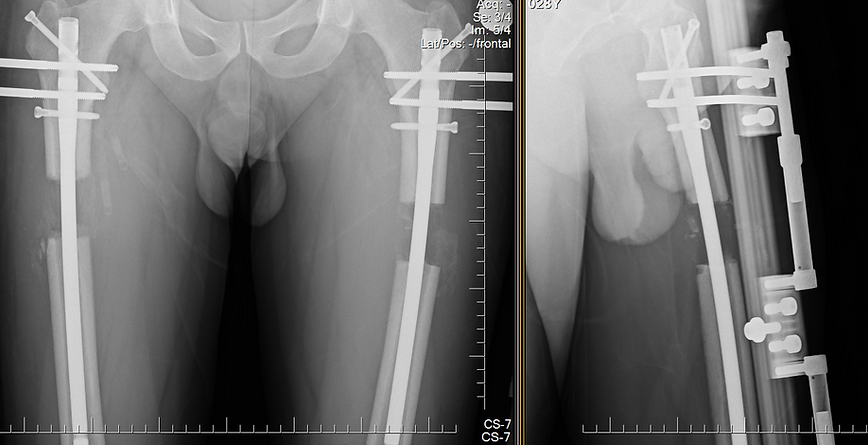
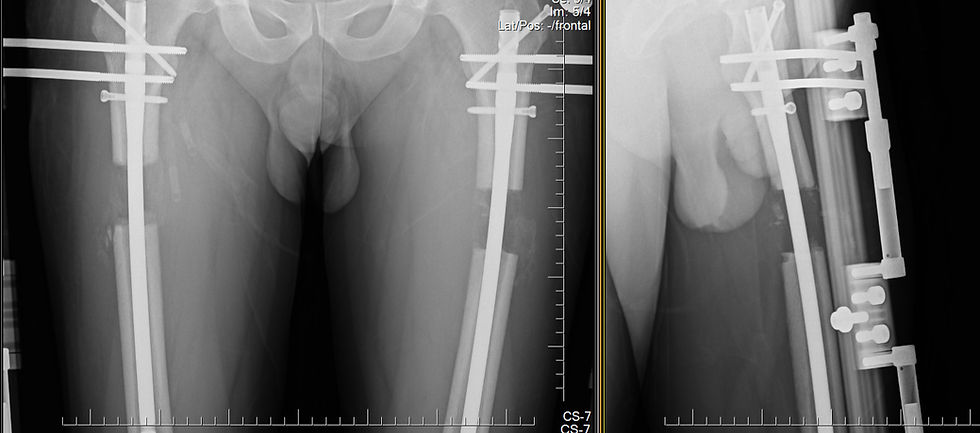
How Limb lenghetning works
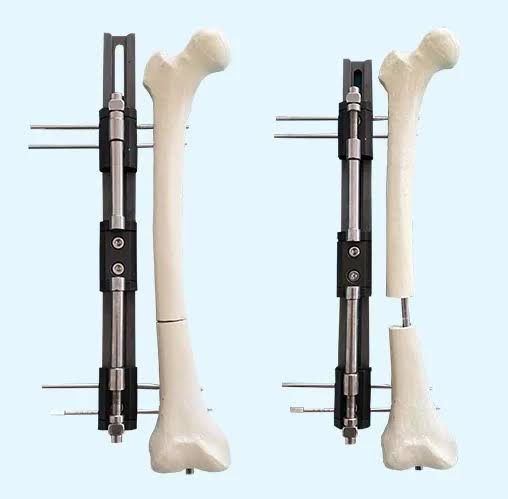
Limb lengthening is a gradual surgical process in which a bone is carefully divided and then slowly separated, allowing new bone to form in the space between the two segments.
Following surgery, the bone is lengthened at a controlled rate using a specialised internal or external lengthening device. As the bone gradually extends, the surrounding muscles, soft tissues and nerves adapt to the new length.
Throughout the treatment, regular clinical assessments and imaging are used to monitor bone formation, alignment and overall progress. Physiotherapy and rehabilitation are also important parts of the recovery process.
The lengthening process and overall treatment duration vary depending on the individual patient, the amount of lengthening required, the surgical technique used and the body's healing response.
Procedural Guidelines
Limb lengthening is a carefully planned treatment that takes place over several stages. Each patient's treatment plan is personalised according to their health, anatomy, goals and chosen surgical technique.
1. Initial Consultation
A comprehensive assessment is carried out to understand your medical history, anatomy, expectations and treatment goals. Appropriate imaging and examinations are used to determine whether limb lengthening is suitable for you.
2. Personalised Treatment Planning
If treatment is considered appropriate, a detailed surgical plan is developed. This includes selecting the most suitable technique and determining the intended amount of lengthening.
3. Surgical Procedure
The bone is carefully divided and a specialised lengthening device is positioned. The procedure is performed under appropriate anaesthesia in a controlled surgical environment.
4. Gradual Lengthening
After an initial healing period, the bone is gradually lengthened at a controlled rate. New bone develops within the space created between the bone segments.
5. Monitoring & Rehabilitation
Regular clinical reviews and imaging are used to monitor bone formation, alignment and healing. Physiotherapy and rehabilitation are an important part of maintaining mobility and supporting recovery.
6. Consolidation & Recovery
Once the desired length has been achieved, the newly formed bone continues to strengthen and mature. The duration of this stage varies between patients and depends on individual healing.
7. Follow-Up
Continued follow-up allows the healing process and functional recovery to be assessed. Your care team will provide guidance on activity, rehabilitation and the progression towards normal daily activities.
Every treatment journey is individual. The specific technique, timeline and rehabilitation programme are determined following a comprehensive medical assessment.